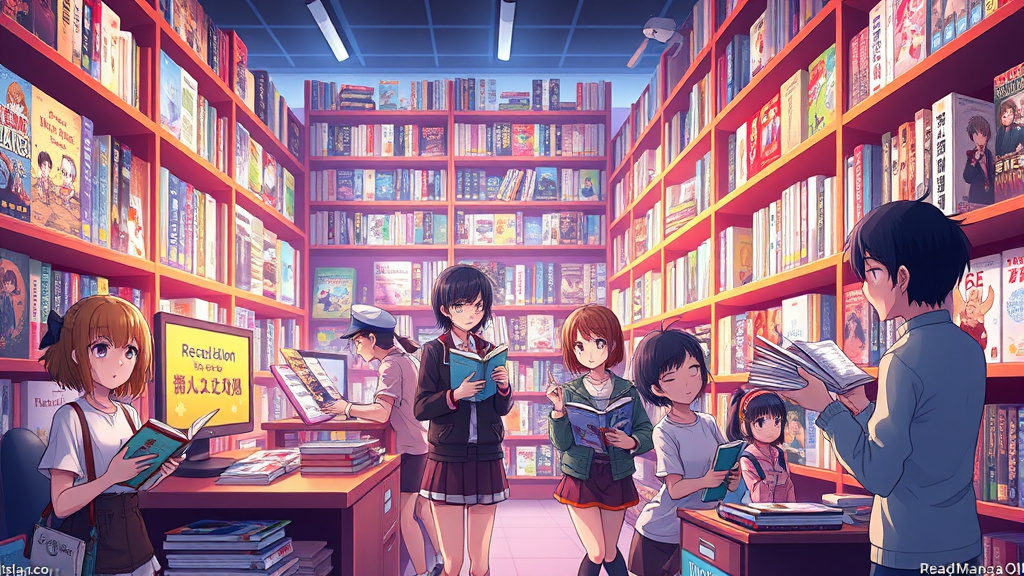
When it comes to japanese manga raw, fans and enthusiasts explore a fascinating aspect of Japanese culture and comic artistry that’s often shrouded in mystery and exclusivity. Japanese manga raw refers to unedited, original versions of manga comics directly from Japan before translations or edits, providing readers with an authentic glimpse into the artist’s original intent, style, and storytelling nuances. For many manga lovers worldwide, RAW manga offers a pure and unfiltered experience—yet navigating its realm also raises questions about access, legality, and ethical considerations.
Understanding Raw Manga: A Comprehensive Guide
Raw manga represents the unprocessed, original version of Japanese comic books that have not yet been translated or localized for international audiences. It serves as a vital piece of the manga ecosystem because it preserves the original artwork, dialogue, and cultural context that might be lost or altered in translation. This form of manga is often used by fans and researchers who wish to analyze the work in its purest form or study cultural nuances subtle to non-Japanese readers.
The process of obtaining and reading raw manga can seem daunting at first, especially for beginners unfamiliar with Japanese language or manga distribution channels. However, understanding the structure of how raw manga is created and circulated can foster a greater appreciation for the art and industry behind these comics. Raw manga is typically released in serialized magazines, print volumes, or digital websites, often as a part of the development process from draft to polished product. It’s important to recognize that raw manga isn’t just about the content but also about its cultural and artistic significance that forms the backbone of manga’s global popularity.
the manga guide
 Hình minh họa: japanese manga raw – the manga guide
The Appeal of Raw Manga: Exploring Unedited Japanese Comics
The allure of raw manga lies in its authenticity—viewers get to witness manga exactly as the creator intended, without any translation or localization distortions. This unfiltered experience often reveals subtle artistic details, draft sketches, or text formatting choices that may be lost in translation. For language enthusiasts and manga aficionados, raw manga serves as a critical resource for studying Japanese language, idiomatic expressions, and cultural references embedded in the art.
Moreover, raw manga also offers a unique sense of intimacy with the creator’s creative process. Fans can appreciate the raw talent, detailed sketches, or early story drafts, providing a behind-the-scenes look into the art and storytelling of some of Japan’s most acclaimed mangaka. This adds a layer of depth and respect for the craft, fostering a more profound connection with the work beyond just reading the final, polished product. Ultimately, raw manga nourishes a genuine appreciation for Japanese culture, artistry, and storytelling techniques that are often sanitized or adapted in commercial releases.
Where to Find and Read Raw Manga Online: Legal and Ethical Considerations
Locating and reading japanese manga raw can be a complex endeavor, especially given the legal and ethical dilemmas surrounding unlicensed distribution. Several online platforms and communities share raw manga scans—often unofficial and sometimes pirated—raising questions about copyright infringement and respect for creators’ rights. It’s crucial for fans to navigate this landscape responsibly, recognizing the importance of supporting the manga industry to ensure creators are compensated for their work.
Legitimate avenues for accessing raw manga include official digital publishers, Japanese manga magazines, or authorized online stores. Some websites host raw manga legally if they have obtained proper rights or are backed by the publishers themselves. However, the majority of raw manga enthusiasts rely on scanlation communities, which clandestinely share scans. While these communities promote access and cultural exchange, they operate in a gray legal zone, risking repercussions for both readers and scanlators. When exploring raw manga online, it’s essential to weigh the importance of respecting intellectual property rights alongside the desire for unaltered content.
Deciphering Raw Manga: Tips and Resources for Beginners
Entering the world of raw manga can be intimidating, especially for beginners who do not read Japanese. The key to enjoyment and understanding lies in developing some basic skills for deciphering these comics. Familiarizing oneself with common kanji characters, manga-specific expressions, and contextual clues can significantly enhance comprehension. Online resources like Japanese language courses, manga glossaries, and translation tools are invaluable for beginners eager to bridge the language gap.
Additionally, utilizing community-driven platforms such as forums or social media groups dedicated to raw manga can provide support and shared insights. Many fans develop their own methods for breaking down untranslated manga, including side-by-side translation tutorials or shared vocabulary lists. While mastering raw manga takes time and patience, approaching it with a genuine curiosity and respect for the original language and art form enriches the overall experience. Beginners should see raw manga as an educational journey into Japanese language, art, and culture, rather than just a puzzle to solve.
Raw Manga Scanlation: The Process and Its Impact on the Industry
Scanlation, the process of translating manga scans by dedicated fans or groups, has profoundly affected how raw manga is consumed globally. It involves carefully digitizing, translating, and editing raw images to create a localized version accessible to non-Japanese readers. This grassroots effort has made popular manga accessible across language barriers but also raises questions about intellectual property rights and fair compensation for the original creators.
While scanlation groups often operate out of passion and enthusiasm, their activities have contributed to a complex industry landscape. On one hand, scanlations foster a worldwide manga community, increase the popularity of certain titles, and serve as a bridge for those who may not have legitimate access to the originals. On the other hand, the proliferation of unauthorized scanlations can hurt official sales, complicate licensing negotiations, and undermine the economic incentives for manga publishers. The impact of scanlation on the manga industry continues to be debated, highlighting the need for more structured approaches to licensing and international distribution.
The Evolution of Raw Manga Distribution in the Digital Age
The digital age has revolutionized how raw manga is distributed and accessed. Online platforms, digital manga stores, and social media have made raw manga more accessible than ever before. Digital distribution allows for instant sharing and downloading, breaking down geographical barriers and enabling global fans to access Japanese comics directly from the source. This shift has created new challenges and opportunities for publishers, creators, and fans alike.
However, the digital landscape also amplifies issues related to piracy, copyright infringement, and unauthorized sharing. Many scanlation communities and unofficial sites thrive in this environment, often operating in the shadows. The industry has responded by developing official digital platforms and licensing agreements that aim to provide affordable, legal access to raw manga and its translations. The evolution of raw manga distribution is ongoing, driven by technological advancements and changing consumer expectations, and will likely continue influencing the manga industry’s structure, profitability, and cultural reach for years to come.
Raw Manga vs. Translated Manga: A Comparative Analysis
When comparing raw manga to translated versions, it’s clear that each serves different needs within the manga community. Raw manga offers an unfiltered, original glimpse of Japanese storytelling, art, and language, appealing most to advanced fans, language learners, and researchers. Translated manga, in contrast, emphasizes accessibility, allowing non-Japanese speakers to enjoy stories without language barriers, often accompanied by localized cultural nuances.
The trade-offs between these two forms are significant. Raw manga preserves artistic integrity and cultural authenticity, but it can be difficult to understand for those unfamiliar with Japanese. Translated manga may improve accessibility, yet the process of localization can sometimes distort the creator’s original message or tone. Both forms are vital to the manga ecosystem—raw manga enriches cultural appreciation and linguistic skills, while translations broaden manga’s global reach. The optimal experience depends on individual preferences and the context in which the manga is being consumed.
Beyond Language: Appreciating the Artistry of Raw Manga
Raw manga isn’t just about words; it’s a rich tapestry of visual storytelling—an art form in its own right. The raw illustrations, character designs, panel layouts, and shading techniques provide insight into the artist’s style, creativity, and mastery. Many fans admire the raw sketches for their imperfections or draft elements, seeing them as a testament to the talented craftsmanship behind beloved manga.
Appreciating raw manga from an artistic perspective involves studying the nuances of line work, composition, and storytelling through visuals. It’s a way to see how mood, tension, or humor are conveyed without relying on dialogue or translation. This focus on art deepens one’s understanding of manga as a multidisciplinary medium—one that combines visual art, storytelling, and cultural expression seamlessly. Engaging with raw manga at this level fosters a greater respect for the artistry and craftsmanship involved, elevating it from mere entertainment to cultural heritage.
Raw Manga Archives: Preserving Japanese Comic History
Archiving raw manga is crucial for preserving the history and evolution of Japanese comics. Mature collections of raw manga serve as cultural records, capturing different eras, styles, and trends within the manga industry. Digital and physical archives can safeguard rare and historically significant works from degradation or disappearance, ensuring future generations can study and appreciate this vital aspect of Japanese culture.
These archives also support academic research and cultural preservation efforts, providing access to original artworks, unpublished drafts, and early stages of manga development. Digitization techniques have made it easier to create comprehensive collections, but ethical considerations around copyright and intellectual property remain critical. As raw manga continues to gain recognition as a cultural artifact, establishing respectful, legal archives can help maintain its original integrity while fostering appreciation among global audiences.
The Future of Raw Manga: Trends and Predictions
Looking ahead, the landscape of raw manga is poised for exciting changes driven by technological advancements, shifts in industry practices, and global demand. Emerging trends suggest more official channels for raw manga distribution might develop, possibly incorporating user-friendly apps or platforms providing legal, affordable access. This could decrease the reliance on unofficial scanlation communities, benefiting creators and publishers alike.
Moreover, as artificial intelligence tools improve in translation and image recognition, there may be new ways to understand and analyze raw manga, bridging language gaps more efficiently. The cultural exchange facilitated by raw manga will likely deepen, fostering increased global appreciation for Japanese art and storytelling traditions. Overall, raw manga’s future appears bright—balancing technological innovation with ethical responsibility—promising a more connected, respectful, and enriching experience for fans worldwide.
Conclusion
In exploring the world of japanese manga raw, it’s evident that raw manga encapsulates an unfiltered, culturally rich seedbed of Japanese comic artistry. It offers a pure artistic and linguistic experience that appeals to enthusiasts seeking authenticity and a deeper understanding of manga’s cultural roots. While challenges regarding distribution, legality, and ethics persist, technological developments and evolving industry practices hint at a future where access can become more balanced and sustainable, fostering richer appreciation and preservation of this vital cultural form. Engaging deeply with raw manga invites both fans and scholars to see beyond translation, appreciating the artistry, history, and cultural nuance embedded within every page of untouched Japanese manga comics.